The 21st century’s great game
Five races for the Arctic
In the 19th century, Europe’s great powers carved up the global map according to age-old rules of sovereignty: The first person to plant the flag controlled the resources — as long as they could defend them.
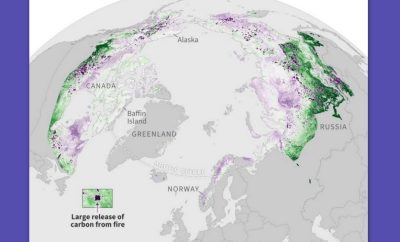
That era might seem long gone. But as polar ice melts at unprecedented speed in the Arctic, the world’s biggest players are eyeing the region as a new “no man’s land” that is up for grabs.
The changing landscape — and seascape — has ignited a scramble to unlock new economic opportunities and gain the strategic upper hand at the top of the world. “The region has become an arena for power and for competition,” U.S. Secretary of State Mike Pompeo said in a speech in Finland in May.
A month earlier, Russian President Vladimir Putin had told a conference in St. Petersburg that the Arctic accounts for more than 10 percent of all investment in Russia.
POLITICO maps out what’s at stake in the five most important races for the Arctic — and how each could play out.
The race for trading routes
What’s at stake: Humans have traded across the Arctic for centuries, moving goods like furs and meat across the ice and snow. Today, warmer temperatures are destroying many of those old routes, and opening up new, longer-distance, seaways in their stead.
For modern exporters moving goods in bulk from Asia to the West, this means new opportunities.
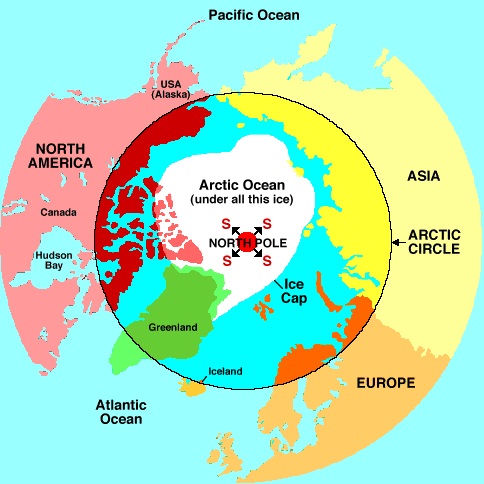
Forecasts suggest the Arctic Ocean will be ice-free during the summer as early as 2040. Two new shipping routes, the Northern Sea Route, which runs along Russia’s north coast, and the Northwest Passage, which threads through Canada’s northern islands, are already under development.
Συνέχεια ανάγνωσης εδώ