

What to watch: Doing aid differently in Haiti
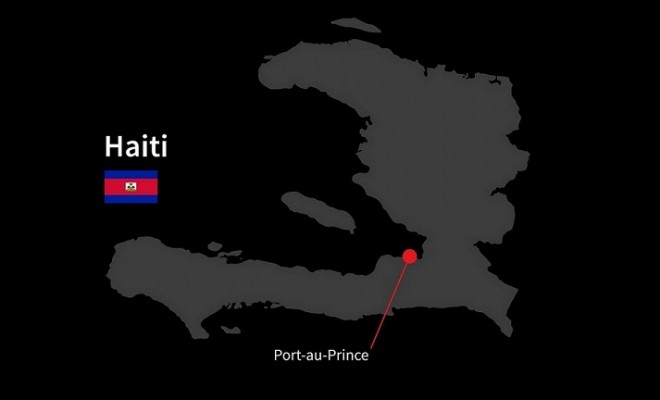
The Haitian-American community, especially in South Florida, is leading a conversation around doing aid differently following this weekend’s devastating earthquake in southwestern Haiti, where the death toll is 1,297 and climbing, Axios Today host Niala Boodhoo writes.
The big picture: Saturday’s quake couldn’t have arrived at a worse time: Haiti’s government is in shambles, Tropical Storm Grace is set to arrive late Monday, the country has been beset by gang violence, and yes, there’s also the pandemic.
Flashback: The 2010 earthquake killed more than 200,000 people and generated more than $13 billion in relief aid.
- “We do not want what occurred in 2010 to happen again,” said Haitian-American community activist Marleine Bastien, executive director of FANM. “Most of the resources did not reach those impacted, those on the ground.”
Here were just a few of the problems:
- The Red Cross raised half a billion dollars and promised to house more than 130,000 people. A ProPublica and NPR investigationfound the nonprofit built six homes.
- UN Peacekeepers who arrived in Haiti after the 2010 earthquake introduced cholerato the country, creating an outbreak that has infected thousands and killed an estimated 9,000.
- Distribution of the aid was complicated by concerns over government corruption. Just 2% of the $657 million disbursed by the Canadian government over the two years following the earthquake was channeled through the Haitian government, according to Jonathan Katz, who reported on the earthquake for AP.
The bottom line: “We are literally trying to stop things from flooding in from this country,” says Francesca Menes, co-founder of The Black Collective.
- “We also need to talk to the [Haitian] people because they know what they want,” Bastien adds.
Go deeper: Listen to Axios Today on Afghanistan and Haiti
Πηγή: axios.com
